
Intersectional Discrimination
Information about intersectional discrimination in the West Nordic region.
Denmark
Discrimination exists in Denmark. People with an ethnic minority background, for example, face discrimination on the job market, in social life and on social media. 45% of immigrants and descendants with non-Western backgrounds have experienced discrimination because of their ethnicity.
Here below are a few resources to understand intersectional discrimination in Denmark.
Mino Think. Mino Danmark. In Danish.
Reports from Mino Denmark, an NGO that works to strengthen the opportunities, voices and community participation of ethnic minority Danes.
Køn og handicap. DH – Danske handicaporganisationer. In Danish.
Toolbox from Danish Handicap Organizations that contains studies and other information about gender and disability.
Reports by LGBT+ Denmark. LGBT+ Denmark. In Danish.
Various reports from LBGT+ Denmark.
Faroe Islands
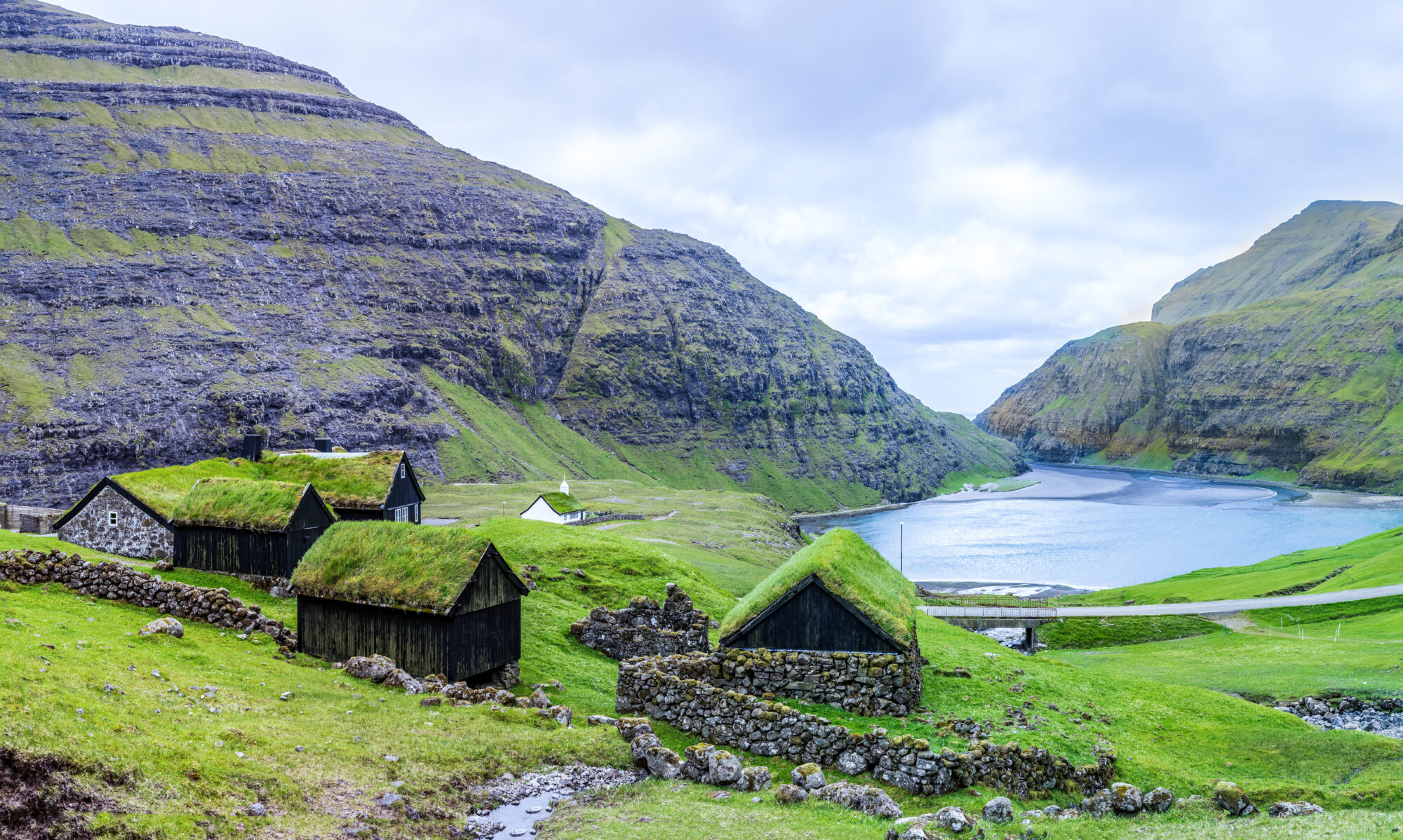
The Faroe Islands are a small island community, and in such communities, intersectional discrimination is often an issue. Discrimination manifests in various ways in society. In 2006, the so-called racism clause 266b came into effect in the Faroe Islands, the marriage law that allows same-sex couples to marry was passed in 2017, but when an integration law was presented to the parliament in 2024, it was rejected.
Here below are a few resources to understand intersectional discrimination in the Faroe Islands.
“The Invisible Undercurrent. Migration and belonging among LGBT+-minorities in the Faroe Islands”. Firouz Gaini. Tidsskrift for kjønnsforskning, Universitetsforlaget. 2024. In Danish.
Academic article which presents an exploration and analysis of LGBT+-minorities’ position in the Faroe Islands from the 1940s until today.
“Marriage Migrants to the Faroe Islands: An Analysis of the Life-World of Non-Western Women Married to the Faroe Islands”. PhD thesis. Rúna Preeti Isfeld. Aalborg University. 2019. In English.
PhD thesis about the life-world of non-Western women married to people from the Faroe Islands.
“”Employers could use us, but they don’t”: voices from blue-collar workplaces in a norther periphery”. Anna-Elisabeth Holm, Bernadette O’Rourke, Mike Danson. Springer. 2019. In English.
Academic article analyzing the labour market experiences of migrants of non-Nordic origin who have settled in the Faroe Islands.
“The Right to Citizenship?” The Social Democratic Party in the Danish Parliament. 2024. In Faroese.
Report on rights to citizenship and immigrants in the Faroe Islands.
“”It’s like they have a cognitive map of relations’: Feeling strange in a small island community”. Hayfield, E. A., & Schug, M. Journal of intercultural studies. 2018. In English.
Academic article that examines how immigrants experience living in the Faroe Islands.
Greenland
Here below are a few resources to understand intersectional discrimination in Greenland.
Human Rights in Focus. Report to Inatsiartut 2022-2023. Danish Institute for Human Rights, 2023. In English, Danish and Greenlandic.
A 2023 report from the Danish Institute for Human Rights to the Greenlandic parliament, Inatsisartut, on the status of human rights and women’s rights in Greenland.
The Human Rights Council of Greenland
The Human Rights Council of Greenland (IPS) is an independent council that contributes to general knowledge and competence development and is tasked with promoting and protecting human rights in Greenland.
Tilioq. In Greenlandic, Danish and English.
Tilioq works to advocate for the rights, wellbeing, and opportunities of people with disabilities and support the improvement of society’s capacity to support the needs of people with disabilities.
NIIK
Nunatsinni Inuit Innarluutillit Kattuffiat is an umbrella organization for nationwide disability organizations and special local organizations.
Iceland
Iceland passed the first comprehensive gender equality legislation in 1975 but it wasn’t until 2018 that legislation about equal treatment irrespective of race and ethnic origin was passed. Gender autonomy was guaranteed in legislation in 2019.
Here below are a few resources to understand intersectional discrimination in Iceland.
“Always in Second Place”. Transnational Women in East-Iceland, Intersectionality and Gender Equality in the Regions. Margaret Anne Johnson. The University of Iceland, 2019. In English.
A masters thesis exploring how women from other cultures understand gender and equality when in a country dissimilar to that of their origins and, even more so, when living in the peripheral areas of that society.
LGBTI affairs. The Government of Iceland. In English.
A website maintained by the government of Iceland about LGBTI rights, including an overview of current legislation and the action programme for the period of 2022 to 2025.
Epistemic Violence Toward Immigrant Women in Iceland: Silencing, Smothering, and Linguistic Deficit. Jón Ingvar Kjaran, Brynja E. Halldórsdóttir. Nordic Journal of Migration Research, 2022. In English.
An article examining how stories shared as a result of the #metoo movement in Iceland exemplify aspects of how culture and institutions in Iceland are complicit in the silencing of immigrant women who experience violence.